
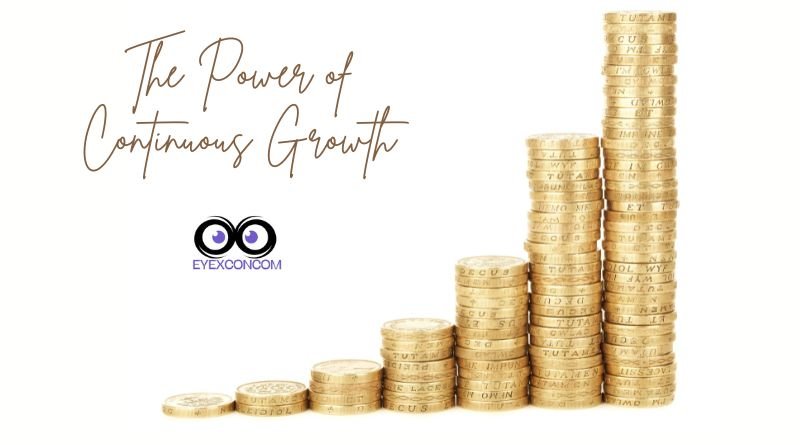
Why Companies Must Evolve to Thrive
In the modern business world, standing still is the same as moving backward. The pace of innovation, competition, and customer expectation is faster than ever before, forcing companies to adapt or risk irrelevance. Growth and change are not optional—they are essential components of long-term success. A company that continuously learns, innovates, and improves not only survives but thrives. Evolution ensures that businesses remain relevant, competitive, and capable of serving their customers in new and better ways. It also fosters a culture of adaptability within the organization, encouraging employees to embrace challenges instead of fearing them Emarketed.
When a company commits to growth, it goes beyond expanding profits or market share—it invests in its future stability. Change allows organizations to discover new opportunities, improve efficiency, and respond to emerging trends before competitors do. For instance, technological advancements and consumer behaviors evolve rapidly, and businesses that fail to evolve alongside them often find themselves left behind. Companies that succeed recognize that growth is not just about scaling operations; it’s about constant reinvention. They update their processes, revisit their goals, and challenge their assumptions to ensure that what worked yesterday continues to work tomorrow.
Adaptation is also a key driver of innovation. Businesses that embrace change are more likely to experiment, take calculated risks, and explore creative solutions. This mindset attracts top talent, fosters loyalty among employees, and strengthens brand reputation. In essence, growth is a form of resilience—a company’s ability to anticipate, adapt, and act decisively when the environment shifts.
The Benefits of Change for the Broader Community
A growing company doesn’t just benefit its shareholders—it creates a ripple effect that extends into the broader community. When businesses expand, they create jobs, support suppliers, and invest in local economies. They introduce new products, services, and technologies that improve daily life. For example, an innovative company might develop more sustainable products, reducing environmental impact while meeting consumer demand. Another might adopt inclusive hiring practices, creating opportunities for individuals who have historically been overlooked. In this way, corporate growth becomes a force for social progress.
Beyond economics, change within a company often leads to cultural transformation. When an organization values growth, it nurtures curiosity, continuous learning, and collaboration. These qualities inspire employees to think bigger, take initiative, and bring new ideas to life. Over time, this mentality spreads beyond the walls of the business. A company that evolves encourages other organizations and individuals to do the same, contributing to a more dynamic and forward-thinking society.
Innovation also plays a crucial role in solving global challenges. Businesses that prioritize evolution often lead breakthroughs in sustainability, health, education, and technology. For example, companies investing in renewable energy or eco-friendly materials are helping to combat climate change. Others are developing digital tools that improve communication, learning, and access to essential services. Each step toward improvement, no matter how small, can have a profound impact on the world. In this way, corporate growth is not just about profits—it’s about purpose.
The Internal Impact of Embracing Change
Inside a company, growth fuels motivation and engagement. Employees want to work for organizations that are evolving and investing in their people. When leadership promotes development—through training, mentorship, or innovation initiatives—it empowers staff to grow alongside the business. This shared sense of progress fosters loyalty, reduces turnover, and enhances productivity. Workers who feel their company is forward-thinking are more likely to contribute ideas and remain committed to long-term goals.
Moreover, embracing change strengthens problem-solving capabilities. When employees are encouraged to think critically and creatively, they become more adaptable in uncertain situations. Companies that reward innovation and continuous improvement develop a workforce capable of thriving in any environment. This adaptability becomes a competitive advantage, especially during economic fluctuations or industry disruptions. Businesses that resist change, on the other hand, often struggle to retain talent and lose their edge as the world evolves around them.
Leadership plays a pivotal role in sustaining this growth-oriented mindset. Effective leaders model flexibility and openness, showing that change is not a threat but an opportunity. They create clear visions for where the company is headed while empowering teams to explore how to get there. This balance of direction and autonomy allows innovation to flourish while maintaining alignment with organizational objectives.
Adapting Through Modern Tools and Marketing
One of the most practical ways companies can grow and evolve is by improving how they communicate and connect with their audiences. In today’s digital landscape, businesses must be visible, relevant, and engaging to maintain customer trust. This is where professional content marketing services become invaluable. These services specialize in helping companies craft meaningful, strategic communication that aligns with modern consumer behavior.
Content marketing services go beyond simple advertising—they help businesses tell their stories authentically. Through blogs, videos, emails, and social media, companies can share insights, educate audiences, and establish authority in their industries. By outsourcing to experts, businesses ensure that their messaging is consistent, data-driven, and optimized for search engines. This not only improves visibility but also builds credibility. A well-executed content strategy helps companies adapt to new markets, attract new customers, and retain existing ones.
Growth often requires mastering digital transformation, and marketing is at the center of that shift. From personalized campaigns to real-time analytics, content marketing services allow companies to respond quickly to trends and customer feedback. They help businesses remain agile and innovative while maintaining a strong brand identity. As consumer preferences change, companies that leverage these tools are better equipped to evolve without losing their core message.
Continuous Growth as a Moral Obligation
Beyond strategy and profit, there is an ethical dimension to corporate evolution. Companies have a responsibility to grow in ways that contribute positively to their industries and societies. By continuously improving products, processes, and policies, they help raise standards across the board. Growth should not come at the expense of people or the planet; rather, it should create shared value that benefits all stakeholders.
This principle applies at every level of business—from startups refining their operations to global corporations redefining sustainability goals. When companies commit to doing better, they inspire trust among customers, investors, and employees. Transparency, accountability, and innovation become hallmarks of responsible growth. This ethical approach builds long-term resilience, as companies that act with integrity are more likely to earn lasting loyalty and respect.
Continuous improvement also ensures relevance in a world defined by constant change. Markets shift, technologies evolve, and customer expectations transform rapidly. Companies that refuse to adapt risk becoming obsolete, while those that evolve can seize new opportunities. By committing to growth, businesses position themselves not only for survival but for leadership in shaping the future of their industries.
The Future Belongs to the Adaptive
Ultimately, the importance of growth and change extends far beyond individual success. It defines how companies contribute to economic vitality, social progress, and innovation at large. Businesses that evolve continuously are better equipped to handle disruption, foster creativity, and make lasting impacts. The cycle of learning, adapting, and improving keeps organizations agile in an unpredictable world.
Growth is not simply about doing more—it’s about doing better. It’s about aligning a company’s evolution with the needs of its people, its customers, and its planet. Whether through embracing new technologies, rethinking communication with the help of content marketing services, or fostering a culture of curiosity and collaboration, companies that invest in continuous improvement shape a better future for everyone. In the end, building a culture of growth is not just a competitive strategy—it is the very essence of what makes a company enduring, influential, and truly alive.